The Rising Dollar: Fortune or Fluke
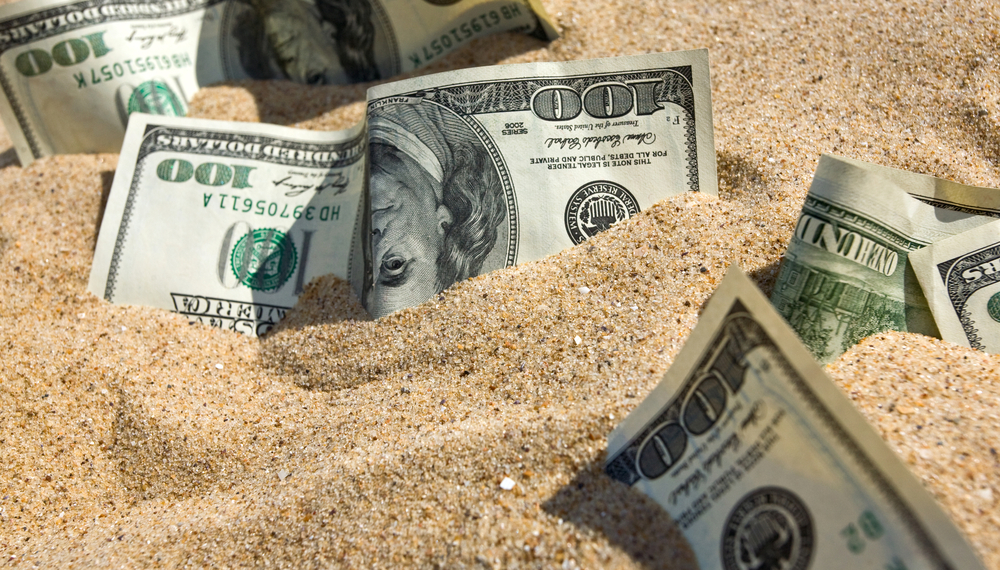
Stronger Dollar? What It Means to the Average Consumer As measured by six major currencies, the US dollar has appreciated 19% during the past three months (August to October 2008). To be specific, the US dollar index is now at 85 up from the low of 71.3. The reversal takes the valuation of the US dollar back to October 2006 levels. It just experienced its best week of appreciation in almost 16 years. By any measure, the stronger dollar was unexpected by the financial market in terms of its speed, timing, and magnitude. Typically, a strong currency should be the sign of the strong economy. However, everyone knows that America’s biggest financial institutions today are insolvent and some had even filed for bankruptcy. The government is also spending millions to “bail-out” everything from banks to insurance companies to auto manufacturers. If that’s not enough, the value of commercial real estate is sinking together with residential real estate.
Wachovia’s Way2Save Program: Still Going Strong
As it approaches its one-year mark, Wachovia's Way2Save program is still picking up steam. First launched in January 2008, the program had one million members as of September. In October, Wachovia was bought by Wells Fargo, but the Way2Save program is still in full effect. Here’s how it works:
Holiday Offers and Deals for Credit Cards
The holiday season is a time for family togetherness, warm reunions, great food and gifts. But it is also the time for financial stress. One of the biggest financial fears among consumers is to find their credit card bills on their mailbox come January. All the good times from the holidays seem to vanish instantly as they review all the money they spent buying the Christmas tree, the food, and the gifts. Consumers who experienced this scenario promised themselves that they would prepare better the next year only to find themselves in the same situation one year later.
Refinancing the Home: Know the Basics and Avoid the Pitfalls
For many homeowners, the concept of refinancing the home mortgage may seem very appealing and just the answer in these times of economic turmoil. After all, who would not want the ease of lower monthly payments, the security of a fixed rate loan, or better yet, the thought of freeing up some extra cash for that much needed college education savings, new car, or home renovation? Indeed, there can be so many reasons why a “refi” would be an attractive option for cash-strapped and financially distraught consumers. What many people fail to recognize however, is the reality that home refinancing is in fact, not a sensible move for everyone. While the numbers at a glance may appear promising, e.g. an interest reduction of 2%, there are still other factors to be considered.
Citigroup issued preferred shares to the Treasury and FDIC
The U.S. government is committed to supporting financial market stability, which is a prerequisite to restoring vigorous economic growth. In support of this commitment, the U.S. government on Sunday entered into an agreement with Citigroup to provide a package of guarantees, liquidity access and capital. As part of the agreement, Treasury and the Federal Deposit Insurance Corporation will provide protection against the possibility of unusually large losses on an asset pool of approximately $306 billion of loans and securities backed by residential and commercial real estate and other such assets, which will remain on Citigroup's balance sheet. As a fee for this arrangement, Citigroup will issue preferred shares to the Treasury and FDIC. In addition and if necessary, the Federal Reserve stands ready to backstop residual risk in the asset pool through a non-recourse loan. To read full press release click here.
No Respite Seen for US Housing Crisis
Both Homeowners and Lenders Face Uncertain Future -
Prospects for the recovery of the housing market in the near future remain doubtful as concerns over the battered US economy continue to mount, unemployment for more Americans loom, and consumer confidence and spending power is virtually non-existent.
The past few days have seen the persistent decline of the housing industry despite efforts by the government to show its support by way of apportioning bailout money to banks and financial institutions to get credit moving again and to provide means for restructuring home mortgages.
Holiday Shopping Savings
The falling stock market, the summer's high gas prices, and high food prices have all taken money out of consumer's wallets. Home mortgages can't be refinanced to get out extra equity when home prices are falling, credit card limits are getting tightened, and more people are unemployed, so many people have less to spend. Retailers count on good holiday sales to make a profit for the year. The National Retail Federation forecasts that there will be $470.4 billion in holiday sales in 2008, up 2.2% from last year but the worst year since 2002. Holiday sales increased about 3.5% in 2007, and that was a disappointing year for retailers. The NRF expects consumers to spend an average of $832 this year, up from last year’s $816. On the other hand, ABC News reports that 51% of people say they will spend less, $716 this year, down from $925 last year. Reports often say the Friday after Thanksgiving is called "Black Friday" because it is the day retailers hope to make a profit or go into the black for the year. This implies they are in the red for the first 10 months of the year, which is not always true. For example, Kohl's reported a third quarter profit of 52 cents per share, down 17% from last year but still a profit. And Wal-Mart reported a third quarter profit of 80 cents per share, up from 10% last year. Amazon.com reported their third quarter profits were up 48%. But even Wal-Mart and Amazon.com adjusted their projections for the fourth quarter downward. So retail shops are starting sales before “Black Friday” and going back to offering layaway so people can shop now and pay for items a bit at a time.
HSBC vs ING: A “Direct” Comparison
The Top Online Banks Just a Click Away
Online or internet banking is not a new concept to many people nowadays. While some are still more comfortable with the brick-and-mortar banks, a growing number of consumers today are also adapting to the more convenient method of handling one’s finances which is through online banking.
Plus, an online bank ideally offers higher yields and lower fees because it is able to do away with overhead expenses normally maintained by the traditional bank. Everything is transacted online, through the phone, or by mail.
Certificate of Deposit
Investors looking for low-risk investments that are easily convertible to cash should look into the certificate of deposit (CD). It is a special type of deposit account offered by most banks and thrift institutions around the country. Because it’s an instrument that provides stable return on your investment, CDs are considered to be more “secure” compared to stocks, mutual funds, and private equity investments. In addition, unlike other types of investment instruments, CDs have Federal Deposit Insurance worth up to $100,000.
The Good, the Bad and the Ugly: Money Management for Young Professionals
As an upcoming or recent college graduate, your mind is chock-full of knowledge and ideas that will help you thrive in your newly-minted professional career. It’s tempting to let thoughts of long-term money matters fall by the wayside as you establish yourself in a new role, but doing so can cause long-term damage to your financial future. To make sure your money works for you in the long run, add a self-taught course in money management to your list of priorities. Think of this article as your study guide and use it to prepare for retirement’s final exam. Instead of a good grade, however, you’ll get long-term financial security if you pass.
Merrill Lynch, Morgan Stanley Battle Independent Brokerages For Wealthy Investors
U.S. Bank Acquires FBOP Corporation’s 9 Failed Banking Subsidiaries
First Premier Bank Offer Credit Card with 79.9% APR…Wait, What?
Assessing the Impact of the FDIC’s Temporary Liquidity Guarantee Program
FDIC Chairman Shelia Bair on The State of American Banking – Summary and Analysis
Commerce Bank of Southwest Florida Fails, Becomes 123 Bank to Close in 2009
ING Direct Black Friday Special: Save ‘Til You Drop
Savers Left With Fewer Options as Hudson City Savings Lowers Top CD Rates
Wells Fargo Settles $1.4 Billion Lawsuit Regarding Auction-Rate Securities
‘Too Big To Fail’ Firms May Be Broken Down To Smaller Size