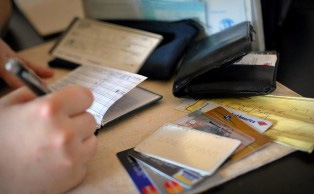
Should you switch banks? Top reasons why changing banks makes financial sense


The last time you noticed a fee on your bank statement or saw an attractive promotion from another bank, did you ask yourself, “Should I switch banks?” If so, that’s a positive sign—it means you’re a savvy consumer actively seeking the best financial options. When considering a switch, it’s crucial to evaluate various banking options to find the one that truly fits your financial needs and goals.
However, when it comes to moving finances around, people tend to be hesitant, assuming it might involve a big hassle. Staying with the same bank for a long period of time could have some drawbacks, though, like paying fees you could otherwise avoid, not earning top interest, inconvenience (such as if there aren’t branches close to you), or putting up with less-than-stellar customer service.
So how do you switch banks? Is it hard to switch banks? Can you switch banks online? Luckily, it’s easier than you think, whether you prefer to do so online or in person. Learn more about some key reasons to switch banks and how to do it smoothly. Careful planning—like redirecting direct deposits and recurring payments—can make a big difference in how successful and stress-free your switch will be.
Top reasons to switch banks in 2026
There are various reasons to switch banks, especially with so many options from traditional branch banks, online banks, credit unions, and other financial institutions. With this variety of banking options, it’s important to choose the right account that fits your needs and financial goals.
Here are some of the most common things influencing people to switch banks.
Excessive fees are draining your account
Recent industry data highlights the significant impact of common bank fees on the average consumer:
- Overdraft fees: $26.77
- Out-of-network ATM fees: $4.86
- Monthly maintenance fees: $15.65
Switching banks can help you find lower fees—or eliminate them entirely—saving you money by avoiding these unnecessary charges.
These expenses can pile up, and customers are taking notice. In fact, a J.D. Power survey found that 26% of people who opened a checking account at a new bank cited a lack of fees as their primary reason for switching.
To remain competitive, many banks are now minimizing these costs by offering no-fee checking accounts, ATM fee reimbursement perks, and ways to waive monthly maintenance requirements. Some institutions even provide completely fee-free accounts with no minimum balance hurdles, making it easier than ever to keep your money in your own pocket.
You’re earning minimal interest on your money
A survey by CNBC Select found that 82% of the population doesn’t have a high-yield savings account. Many consumers miss out on higher interest rates by staying with their current bank.
The problem is that large banks typically offer savings interest well below 1%, while high yield savings accounts from digital banks can have rates above 2% or more. Traditional banks often offer minimal APY on savings, prompting consumers to switch for significantly higher interest earnings. In 2026, top high-yield savings accounts (HYSAs) may pay nearly 4.00% to 4.20% APY, while large national banks often offer rates as low as 0.01% APY. Over time, this kind of percentage difference in interest rates can translate to significant dollars earned thanks to compound interest.
Poor customer service experiences
Sometimes you need a human to help you with an issue that involves your money. Though 66% of customers who had a problem resolved this past year said it happened within one day, according to J.D. Power, that still leaves about a third of customers who might not be getting great service.
Common pain points like long wait times or unresolved issues could influence you to switch banks. When evaluating a potential new bank, read customer reviews online or ask friends and family for their recommendations. Look for a variety of support options, including phone, in-person, or chat, that can accommodate your preferred communication styles.
Major life changes require different banking solutions
You may wish to switch banks for reasons that have nothing to do with the bank itself. For example, if you relocate to a new area where your bank doesn’t have branches, or you’re getting married and want to combine finances with your partner, switching banks might make practical sense.
When considering a change, take time to evaluate your banking options to ensure you choose the right account for your current needs and savings goals.
The main question to ask yourself when life circumstances change is: Does my current bank still meet my needs? If not, what do I need from a new bank? Switching banks can also help align your banking with your personal values or community needs.
Attractive sign-up bonuses and incentives
Some banks try to entice new customers with cash bonuses or other rewards for opening new accounts. (Yes, you can get money for switching bank accounts.)
It’s important to weigh both the short- and long-term benefits of opening the account rather than just chasing bonuses, however. The account should make sense for you beyond the cash. Also, be sure to read all the fine print to make sure that you can meet the bonus offer requirements, which could include keeping a minimum balance, having a direct deposit above a certain amount, or making a certain number of debit card transactions. You may also be required to keep the account open for a certain number of months, or you will be charged a fee for closing.
Is there a downside to switching banks?
Switching banks does take some effort. Here are some of the things to keep in mind if you are contemplating switching bank accounts.
Potential challenges when changing banks
When you switch banks, timing is crucial. The last thing you want is for a bill to go unpaid because it tries to withdraw funds from your old account, which is no longer active.
There may also be a learning curve as you familiarize yourself with a new banking platform and app.
Additionally, consider whether you’re leaving behind a long-standing banking relationship, which might mean forfeiting certain perks or benefits. For example, some banks offer preferential treatment or rate discounts to loyal customers applying for loans or mortgages.
One reassuring fact is that opening a new checking or savings account does not impact your credit score.
How to minimize disruption during a bank switch
One of the best ways to transition smoothly to a new bank account is to maintain both your old and new accounts for an overlap period. Before opening your new account, carefully review your recent bank statements to compile a comprehensive list of all automatic deductions, including recurring payments such as utility bills, insurance premiums, gym memberships, and other auto payments. This thorough review helps ensure you don’t miss any lingering payments still linked to your original account.
Be sure to note all regular bills and expenses automatically deducted through your bank’s bill-pay service. Update your payment information accordingly to avoid any interruptions.
It’s advisable to keep both accounts open for at least two months, allowing sufficient time for all automatic payments and direct deposits to redirect correctly. Additionally, maintain a cash cushion in your old bank account during this transition to protect against potential overdraft fees. After confirming that all relevant transactions are successfully processed through your new account, you can confidently close your original account.
How to switch banks: Step-by-step process
Knowing what to do when switching banks can help ensure that things go smoothly and seamlessly. Many banks offer “switch kits” or dedicated services to help you transfer automatic transactions, making it easier to achieve a smooth transition to your new account.
Research and select your new bank
Decide if you prefer an online bank, a traditional bank, or a credit union, and think about the top features that are important to you in a new bank account. Evaluate different banking options to find the right account for your needs, considering factors like in-person banking for face-to-face service, as well as online banking and mobile banking for digital convenience. For example, if you’re looking for a no-fee checking account, start with that search criteria.
Then, look into other factors you care about, like branch location, fees, if you get free paper checks, digital tools, etc. Compare interest rates and minimum balance requirements, as these can impact your ability to avoid fees and maximize your savings. You can also read reviews regarding customer service.
When choosing a new bank, also consider the types of accounts available and the total fees associated with them.
Opening your new account
When you’ve chosen your new bank, gather the necessary documentation and information needed to open an account, such as a photo ID and proof of address.
After opening your new account, make your initial deposit and request your new debit card to begin the transition.
Check if there are any minimum deposit requirements. Once your account is open and funded, set up online banking, download the bank’s mobile app, and configure account notifications to stay informed.
To avoid missed payments during the switch, be sure to set up automatic payments from your new account at least two weeks before the next payment is due.
Transferring automatic payments and direct deposits
Go through your list of recurring transactions and update them one by one with your new account information. This includes updating automatic payments, bill pay, and recurring charges to ensure all your regular bills and subscriptions continue without interruption. Be sure to update your direct deposit information with your employer and change the payment methods on automatic bill payments and subscription services.
When changing banks, it is essential to promptly update your direct deposit details to ensure your income continues to reach your new account without delay.
After opening your new account, redirect all automatic payments and direct deposits to your new bank account. Many banks provide “switch kits” or dedicated services to help customers transfer automatic transactions smoothly when switching banks.
Once you’ve made the updates, double-check that all deposits and payments post on schedule to avoid any disruptions.
Moving your money and closing your old account strategically
In most cases, you can move money from your old account into your new one using a simple ACH transfer. As part of the process, consider transferring money between your savings and checking accounts to ensure all automatic transfers, savings goals, and overdraft protection services are set up correctly. Be mindful of when those funds become available in case you have any bills that are due to be paid.
It’s advisable to leave a small balance in your old account until you are sure all transactions have cleared.
Once you are confident that everything moved over successfully, you can make the final transfer from your old account and take the balance down to zero.
Closing your old account properly
If you have no plans to continue with your old institution, request to close the account either in person, online, or by phone. Before doing so, make sure to stop all ATM withdrawals and avoid writing checks from your old account to prevent any pending transactions or fees.
Cancel any automatic bill payments and cease using your old account at least two weeks before you plan to close it. This precaution helps prevent fees and the risk of unintentional re-opening of your account.
It may require you to verify your identity and fill out an account closure form. Once the process is complete, you should get written confirmation from the bank that the account is closed. If payments or transactions are not properly stopped, there is a risk of unintentional re-opening of your account, which can lead to fees or fraud risks. Make sure to keep the proof of account closure for at least three years for your records.
Is it worth switching banks? Analyzing the benefits
So, when is it a good idea to switch banks? It really comes down to two questions: Are you getting the most value possible from your bank? And does your bank’s customer experience match your lifestyle and needs? Switching banks can also result in fewer fees, especially if you choose an online bank.
Switching to an online bank can eliminate traditional fees entirely, which have been increasing and often exceed inflation rates.
When making the decision to switch banks, it’s important to ensure a smooth transition to avoid any disruptions in your financial activities.
Financial impact calculation
When deciding whether to switch banks, start with the financial impact. In other words, crunch the numbers to see how fee policies or interest rates are impacting you. Compare interest rates across different banks, as switching banks can often lead to higher yields on savings accounts and other financial products.
Higher interest rates on savings accounts are often available at online banks due to their lower operational costs.
Use online calculators to estimate how much more you could earn with a better interest rate. Also, tally up the monthly ATM fees you’ve been paying. When comparing new banks, factor in any sign-up bonuses you might be eligible for.
The goal is to get a clear, comprehensive picture of the true cost of staying with your current bank versus switching to a new one.
Quality of life improvements
If you’re not satisfied with your bank’s service or it lacks the in-person or digital resources offered by other banks, it may be time to switch. In-person banking remains vital for those who value face-to-face service and personalized attention at a branch.
Mobile banking provides convenience by enabling you to deposit checks, pay bills, and make peer-to-peer payments directly through your bank’s app. Many banks now offer online and mobile banking services that grant immediate access to your accounts anytime, anywhere.
Consider digital banking preferences: a consumer banking survey found that 55% of bank customers prefer using apps as their primary method for managing their accounts. If your bank’s app is lacking, that alone could justify switching banks. Other important factors include convenient branch and ATM access, specialized services tailored to your current life stage, and other time-saving features and capabilities that enhance your banking experience.
Frequently asked questions about switching banks
Why would I change banks?
Many people change banks in order to open a more favorable or higher-earning account, to earn a sign-up bonus, or to switch to an institution that offers more convenience or better customer service. New banks may also offer enhanced online banking and mobile banking features, making it easier to manage your finances, transfer money, and pay bills digitally.
Are there any benefits to switching banks?
There could be a benefit to switching banks if you find one that offers you more value, convenient tools and resources, or better customer service. When considering a switch, review your bank records to note regular bills and expenses that are automatically deducted from your account.
Does changing banks affect my credit score?
Changing banks has no impact on your credit score. The new bank account will appear on your credit report, but that has no impact on your score.
How long does it take to switch banks?
Opening a new bank account can happen in a few minutes, but switching banks can take longer if you have to update any accounts that are linked to your previous bank. Once you complete those tasks, you can officially close your old bank account. It’s recommended to keep both accounts open for at least two months to ensure all automatic payments and deposits redirect correctly.
Can I switch banks if I have loans or credit cards with my current bank?
You can open checking and savings accounts at a new bank, and it should have no impact on loans and credit card accounts. Just be mindful if your bank offers any relationship incentives on its loans/credit cards for being a bank customer. Switching might mean you’d lose those perks.
What happens to automatic payments if I switch banks?
Automatic payments will need to be updated if you decide to switch banks. Review your last several bank statements to make a list of all automatic deductions, and be sure to update your direct deposit information to ensure your money continues to reach you. Create a list of all your automatic payment accounts and go through and update them with the new payment method.
Making your decision
Evaluating your banking relationships periodically is a smart consumer move. Whether it’s to earn more interest, avoid fees, or take advantage of another bank’s location or digital tools, researching other offerings and making the switch could be worthwhile.
For the process to go smoothly, give yourself a bit of time during the transition so that you are able to switch over any linked accounts. Then, once you’re ready, you can close your old account to complete the switch.